
US Targets Brazil With Proposed 25 Per Cent Tariffs, Citing Unfair Trade Practices
The Trump administration has moved forward with a proposal to impose 25 per cent tariffs on imports from Brazil under a Section 301 trade investigation , citing what it describes as unreasonable trade practices that burden US commerce, despite the United States maintaining a trade surplus with Brazil .
The investigation, conducted by the Office of the US Trade Representative (USTR) , found concerns across several areas, including digital trade restrictions, electronic payment systems, intellectual property enforcement, anti-corruption measures, ethanol market access, preferential tariffs, and illegal deforestation policies .
Officials said the action is part of a wider global enforcement strategy, with similar probes underway against multiple trading partners, and not a standalone bilateral escalation.
However, the proposal includes extensive exemptions for key Brazilian exports , significantly limiting its impact. These carve-outs reportedly cover coffee, beef, aircraft and aerospace parts, energy products, metals, rare earth materials, and several agricultural commodities , along with thousands of tariff-line exclusions, meaning a large portion of Brazil’s export basket would remain unaffected.
The proposal follows a broader shift in US trade policy after earlier tariff actions were challenged in court, prompting greater reliance on Section 301 authority under the Trade Act of 1974 . Unlike emergency tariff powers previously struck down by the US Supreme Court, Section 301 allows tariffs after formal investigations, public comments, and hearings.
A public comment period is open until early July , with a public hearing scheduled for July 6 , and final determinations expected later in July.
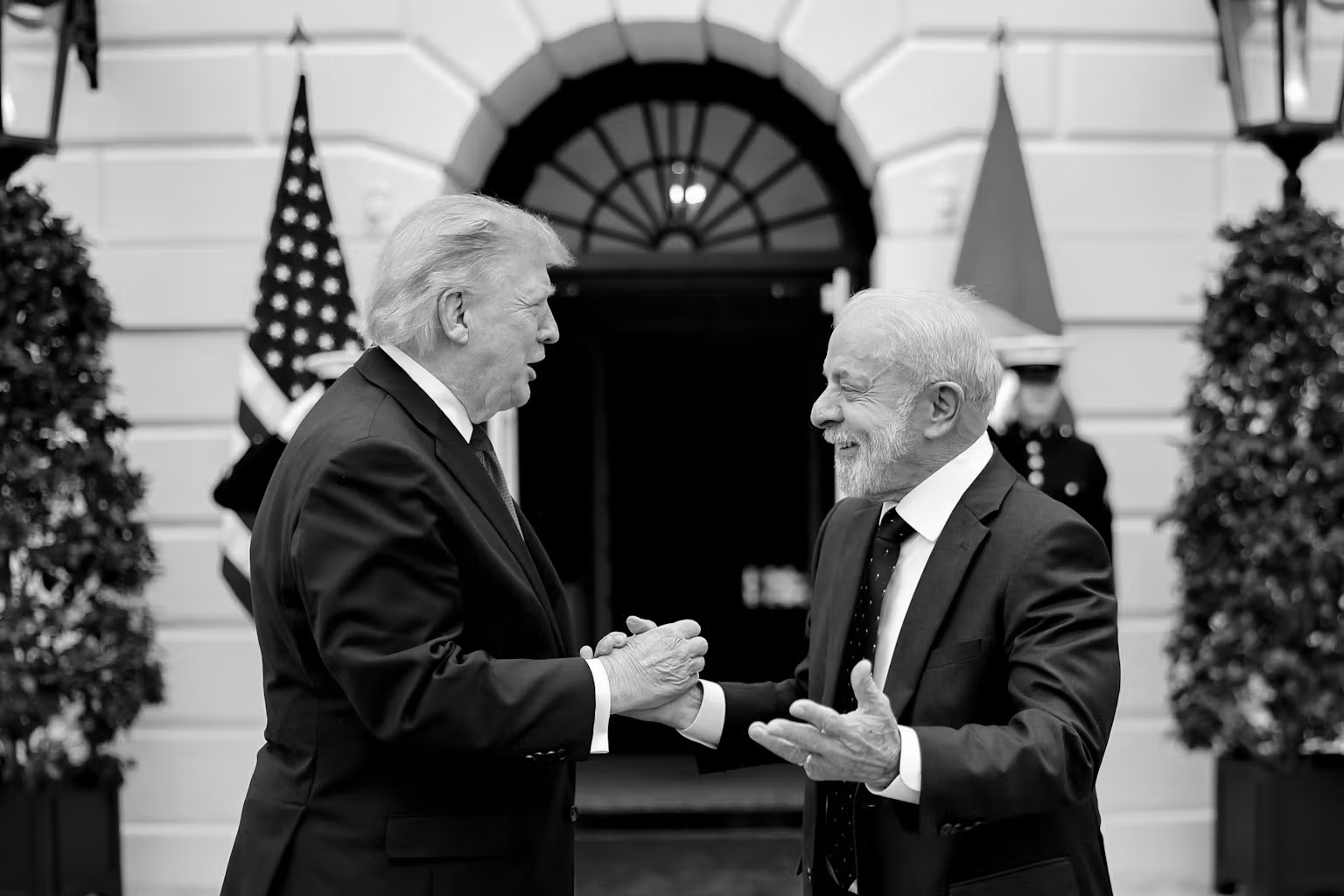
Brazilian President Luiz Inácio Lula da Silva has strongly opposed the move, calling it politically unacceptable and warning of possible retaliation. He has also suggested that diplomatic engagement has been complicated by domestic political factors involving opposition figures with ties to Washington.
US Trade Representative Jamieson Greer said discussions with Brazilian officials have been “constructive” but acknowledged significant differences remain unresolved .
Some critics and political observers argue that the tariff escalation reflects not only trade enforcement concerns but also personal political friction between President Donald Trump and President Lula , pointing to Lula’s repeated public criticism of US officials and Trump’s previous alignment with Bolsonaro-linked political figures. However, US officials maintain the measures are strictly based on findings from the Section 301 investigation .
The Brazilian government has warned that negotiations risk being influenced by electoral and political considerations, while signalling it may adopt countermeasures if the tariffs are implemented.