
US Unleashes Two Hour Blitz On Iran As Troops Told To Silence Phones Over Selfie Leaks
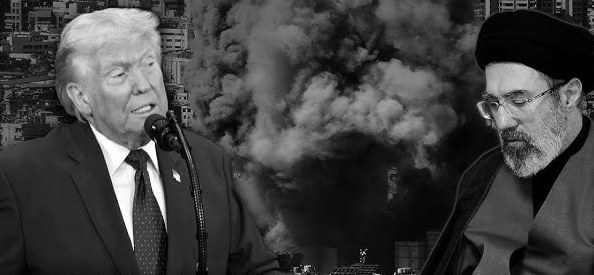
The United States carried out a “heavy wave” of strikes against Iranian targets after American forces intercepted and foiled an attack aimed at US personnel. The operation targeted IRGC linked facilities, including missile and drone infrastructure, command centres, coastal surveillance systems and military assets. Washington said the strikes were necessary to protect American troops and deter further attacks. Iran responded with a warning of retaliation, with the IRGC vowing to “punish the aggressor today” after the US strikes.
The crisis has also created divisions inside the Trump administration. Reports said Trump is “exasperated” over the lack of unity among top advisers on Iran policy, with officials divided over whether to continue military pressure, pursue negotiations or define a clear end goal for the campaign. The disagreement comes as Washington attempts to balance military action with avoiding a prolonged regional war.
As the fighting continues, the US is also strengthening its missile defence capabilities. The Pentagon has awarded Lockheed Martin a contract worth nearly $58 billion to manufacture additional Patriot PAC 3 MSE interceptors, one of the largest defence procurement deals in US history.
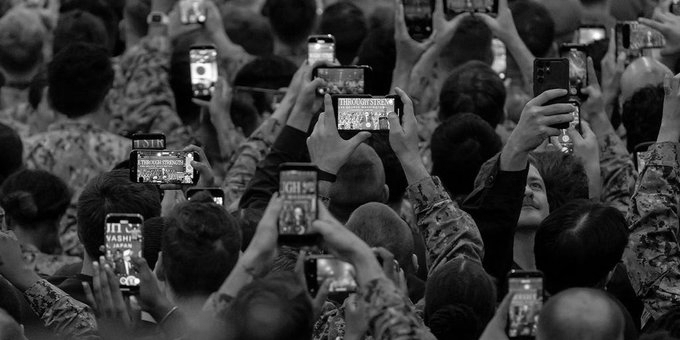
The conflict is also exposing a new security threat for the Pentagon: smartphones. US military officials are concerned that soldiers’ devices can become intelligence tools for adversaries through cameras, GPS, Wi Fi, Bluetooth and social media platforms.
Admiral Brad Cooper, head of US Central Command, warned that Iran has been able to assess the success or failure of attacks almost in real time through public information, including journalist reports, videos and social media posts.
The concern intensified after an Iranian missile and drone attack on Jordan’s Muwaffaq Salti Air Base, when a US service member reportedly recorded soldiers rushing into bunkers using Meta smart glasses and posted the footage on Instagram. Although it appeared to be a routine social media upload, military analysts said it could reveal bunker locations, evacuation procedures, troop movements and operational patterns.
The incident highlights the growing importance of open source intelligence (OSINT). Artificial intelligence systems can now analyse online videos, identify locations, compare images with satellite data and estimate battlefield damage within minutes. Intelligence that once required traditional spying can now be obtained from publicly available digital information.
Similar incidents have occurred in previous conflicts. A fitness tracking application exposed military facility locations in Syria, Afghanistan and Somalia in 2018 through activity heat maps. During the Russia Ukraine war, smartphone signals, TikTok videos, Telegram posts and commercial satellite images have helped reveal troop movements and military deployments.
Meanwhile, the conflict is creating another pressure point in the Red Sea. Iran backed Houthi rebels in Yemen have threatened Saudi shipping through the Bab al Mandab Strait, a critical maritime gateway connecting Europe, Africa and Asia. The threat is significant because Saudi Arabia has relied more heavily on Red Sea routes as tensions around the Strait of Hormuz disrupted regional shipping.
Saudi Arabia is reportedly seeking support from international partners to protect commercial vessels and keep the route open. Previous Houthi attacks during the Gaza war forced shipping companies to avoid the Red Sea and take longer routes around Africa, increasing freight charges, insurance costs and delivery times.
The wider instability is also affecting Saudi Arabia’s economy, with preliminary estimates suggesting a 4.8% contraction in the second quarter, while the oil sector suffered a major decline.