
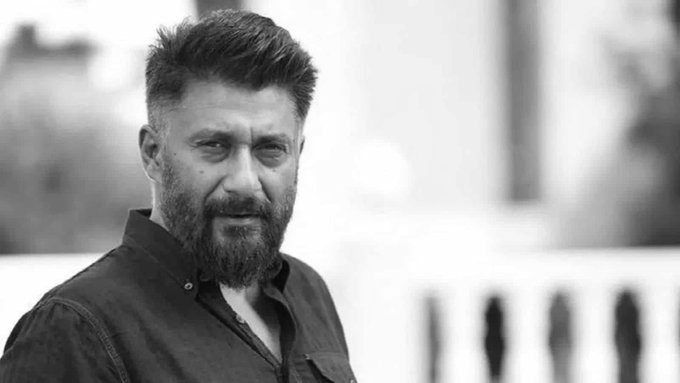
VHP Calls Vivek Agnihotri ‘Ungrateful’ Over Remarks on Hindu Religious Practices
The Vishva Hindu Parishad (VHP) on Sunday criticised filmmaker Vivek Agnihotri over his comments on Hindu religious practices, accusing him of disparaging the faith and traditions that had contributed to his success.
VHP national spokesperson Vinod Bansal, in a post on X, described Agnihotri as “ungrateful” and said it was disappointing that someone who had benefited from the support of Hindu society was now questioning its religious traditions.
Bansal said Agnihotri had repeatedly found fault with Hindu religious activities, including the Kumbh, pilgrimages, temples, saints, worship of the Ganga, bhajan gatherings and Ganpati celebrations. The latest exchange follows Agnihotri’s remarks on Wednesday, when he shared a video showing a large gathering of devotees at Kainchi Dham in Uttarakhand and suggested that India could become the richest country overnight if religion were taxed.
In another post, the filmmaker questioned whether superstitions, claims of miracles, unscientific explanations and crowds visiting religious sites to make social media reels should be considered Hinduism.
Responding to the comments, Bansal argued that pilgrimage centres and religious gatherings were closely linked to India’s civilisational heritage, cultural traditions, social life and local economies. He also questioned why Agnihotri had not raised similar concerns about alleged superstitions and unscientific practices in other religions. Bansal further challenged the filmmaker’s reference to a “religion tax”, pointing out that the film industry also seeks tax exemptions for movies.
The VHP spokesperson had earlier said Hindu society had supported Agnihotri’s films and helped make them successful. He also questioned whether the filmmaker’s remarks were connected to the promotion of an upcoming film.
On Sunday, Bansal urged Agnihotri to take pride in India’s cultural heritage rather than criticise its traditions. He also asked the filmmaker to use part of the wealth he had earned to support public welfare and address the shortcomings in religious organisations that he had highlighted. The dispute has brought renewed attention to the debate over religious practices, scientific thinking and the place of faith in public life.