
We Need More Action: Small Island Nations Turn Up Pressure At COP31
Small island nations have urged the world to move beyond climate negotiations and deliver urgent action, warning that rising sea levels, record ocean temperatures and extreme weather are threatening their survival. At the ongoing COP31 climate conference in Antalya, Turkey, island leaders are demanding stronger emission cuts and greater financial support from richer nations.
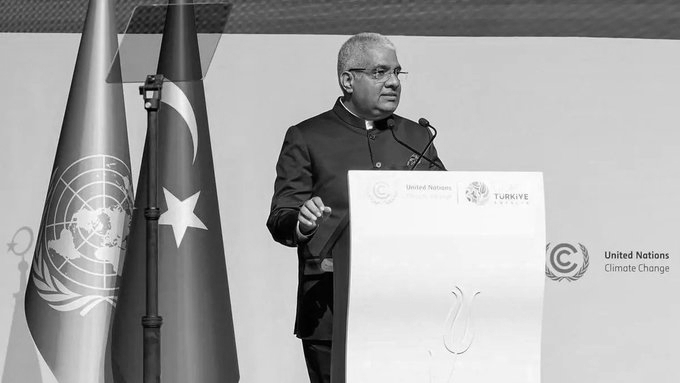
"We don't need more studies. We don't need more negotiations. We just need more action," Tonga Prime Minister Fatafehi Fakafanua told The Associated Press.
Tonga, described as a 'big ocean state', has a maritime territory far larger than its land area. Like other island nations, it faces threats from record-breaking ocean temperatures that endanger marine life and melting glaciers that accelerate sea-level rise, erosion and flooding.
Small Island Developing States (SIDS) are demanding that wealthier, high-emitting countries finance climate adaptation, efforts to reduce climate damage and recovery from climate-related disasters. The Alliance of Small Island States (AOSIS), comprising 39 nations, says its collective voice gives countries with limited individual economic and political influence greater negotiating power.
"We have little leverage, but when you put us together and we speak with one voice, we can speak pretty loudly and pretty strongly," said alliance chair and Palau's UN ambassador Ilana Seid.
Turkey and Australia are co-hosting COP31, with Pacific island nations gaining greater prominence this year, particularly after Fiji hosted a pre-COP meeting in October. However, many climate agreements remain voluntary and non-binding, while countries have yet to reach consensus on transitioning away from fossil fuels.
The UN has warned that the world is unlikely to meet its target of limiting global warming to 1.5 degrees Celsius above pre-industrial levels. For vulnerable island nations, this is not merely a climate target but a matter of survival, said Adelle Thomas of the Bahamas, senior director at the Natural Resources Defense Council and vice chair of an IPCC working group.
For the second consecutive year, the United States, the world's largest economy and a major greenhouse gas emitter, is absent from the negotiations. Meanwhile, intensifying El Nino conditions, record ocean temperatures in August and geopolitical disruptions, including the Iran war and rising energy prices, have added to the pressure on vulnerable communities.
At COP31, the island alliance is seeking $500 million for climate resilience programmes and another $200 million for disaster early-warning systems. Young representatives, including Kiribati's Atiterentaai Rinimarawa and Singapore's Qiyun Woo, have also called for climate justice and stronger political commitments.
Although critics question the effectiveness of COP negotiations, Thomas argued that the process has helped prevent even greater global warming. Tonga's Fakafanua also maintained that the world has made progress and that climate cooperation remains necessary.
With other international summits taking place in China and the Philippines, island representatives say COP31 must restore public confidence and demonstrate that global climate commitments can translate into action.