
West Bengal Reviews 933 Zero-Enrolment Schools for Revival, Alternative Use
The West Bengal government has begun a review of 933 state-aided schools that have recorded zero enrolment, with district administrations asked to verify their status and explore whether they can be revived or their infrastructure put to alternative public use.
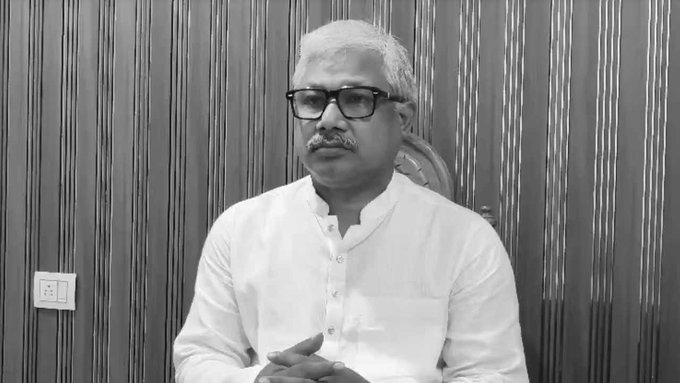
According to a memorandum issued by the School Education Department, several schools across the state have remained without students, leading to the under-utilisation of educational infrastructure and other assets created through public expenditure. School Education Minister Dipak Barman said the situation had persisted for nearly two decades but had become particularly acute over the past five years. As a result, 933 primary, upper primary and secondary schools were shut after recording no admissions, he said.
The department has directed district magistrates to constitute committees headed by them, with the district education officer and district inspector of schools as members. The panels will physically verify the schools and prepare inventories covering school buildings, classrooms, ancillary facilities, land and other assets. They will also examine the condition and ownership of properties, availability of basic amenities and accessibility. Infrastructure found idle or under-utilised will be assessed for possible use as training centres, health facilities, agricultural and rural development centres, community facilities or other public-service establishments.
However, the committees have been instructed to ensure that no child is deprived of access to schooling. Where revival is considered feasible, they may examine options for restarting or restructuring the institutions. The department has sought district-wise reports detailing each zero-enrolment school and recommendations on its continuation, revival or alternative use of its infrastructure within 30 days of receiving the communication.
The memorandum, issued by Additional Chief Secretary Binod Kumar, also mentions the possibility of utilising or reviving the assets through the public-private partnership (PPP) model.
Barman, however, clarified that the government was not in favour of completely handing over the properties under PPP, indicating that any alternative use would remain subject to government scrutiny and approval.