
When Does a Conflict Become a War? Are Pakistan and Afghanistan There Yet?
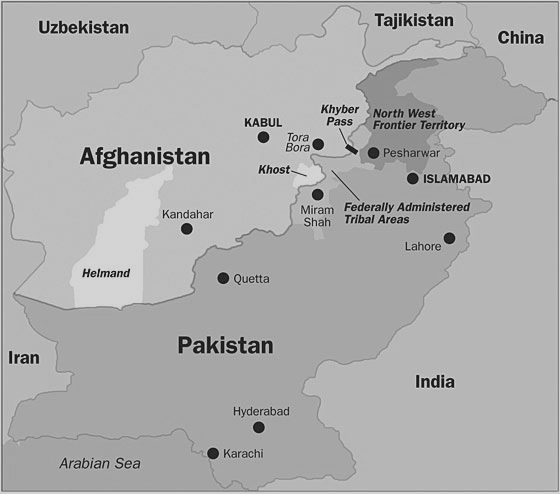
The latest round of fighting between Pakistan and Afghanistan has unfolded in rapid stages over the past week, moving from targeted airstrikes to retaliatory assaults and strikes on major military installations, including in the Afghan capital.
On Sunday, February 23 , Pakistan carried out airstrikes in eastern Afghanistan, saying it targeted camps of the Pakistani Taliban in response to rising militant attacks inside its territory. Islamabad claimed 70 militants were killed in what it described as precision strikes. Kabul rejected the assertion, accusing Pakistan of violating its sovereignty and killing civilians, including women and children.
The confrontation escalated on Thursday night, February 26 , when Afghanistan launched cross border operations against Pakistani military positions along the Durand Line , the 2,611 kilometre frontier it does not formally recognise. Afghan government spokesman Zabihullah Mujahid said large scale offensive operations were initiated against Pakistani bases. Officials in Nangarhar claimed Afghan forces captured between five and 17 Pakistani army posts and killed up to 55 Pakistani soldiers .
Pakistan denied that any posts were seized. Information Minister Attaullah Tarar said two Pakistani soldiers were killed and three wounded, while 36 Afghan fighters died in counterfire. He described the Afghan action as unprovoked.
Late Thursday night, Pakistan launched Operation Ghazab lil Haq . By early Friday, February 27 , Pakistani authorities said more than 130 Afghan Taliban fighters were killed and over 200 injured . According to official statements, strikes targeted Afghan Taliban military infrastructure in border provinces as well as in Kabul, Kandahar and Paktia . Explosions and aircraft were reported over Kabul early Friday, signalling a significant expansion of the conflict.
Senior Pakistani leaders hardened their tone. Defence Minister Khawaja Asif said Pakistan’s patience had run out and described the situation as open war . Prime Minister Shehbaz Sharif and President Asif Ali Zardari said Pakistan would not compromise on sovereignty and territorial integrity.
Clashes also spread to the Torkham crossing , prompting evacuations of civilians on both sides. A fragile Qatar mediated ceasefire that had largely held in recent months now appears effectively collapsed. There has been no formal declaration of war and no nationwide mobilisation, yet airstrikes on a capital city, claims of captured posts and mounting casualties suggest the conflict has moved well beyond routine border skirmishes.
As fighting intensified, international concern mounted. Russia urged both sides to abandon confrontation and return to political and diplomatic dialogue, while China called for restraint and an immediate ceasefire, offering to play a constructive role in de-escalation.