
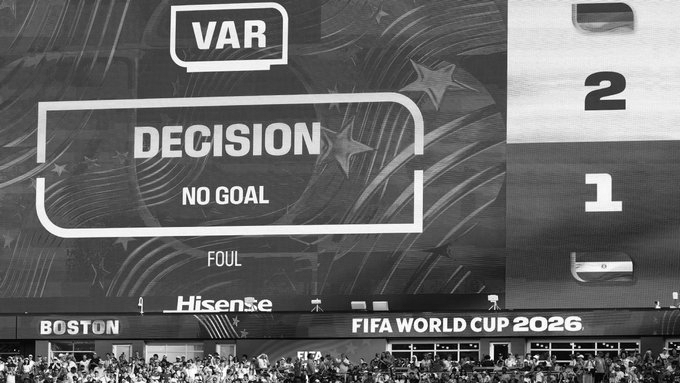
Why Germany's Goal Was Ruled Out: FIFA Explains Controversial World Cup Decision
Germany's dramatic FIFA World Cup exit has taken another twist after FIFA officially explained the controversial refereeing decision that ruled out what could have been the match winning goal against Paraguay in the Round of 32 clash.
The incident occurred during extra time when Jonathan Tah appeared to have given Germany the lead with a powerful header. However, following a VAR review , the goal was disallowed after officials ruled that defender Waldemar Anton had illegally obstructed Paraguay goalkeeper Orlando Gill in the build up to the goal.
Although television replays showed only minimal contact between Anton and Gill , the decision immediately sparked widespread debate among fans, pundits and former players. The overturned goal proved to be a turning point as Germany eventually suffered a heartbreaking defeat in the penalty shootout , with Tah missing the decisive spot kick by sending his effort over the crossbar.
Responding to the criticism, FIFA Referees Committee chairman Pierluigi Collina said the officials had acted according to updated refereeing guidelines introduced before the tournament. He explained that referees have been specifically instructed to penalise attacking players who intentionally obstruct defenders or goalkeepers without making any genuine attempt to play the ball.
According to Collina , even slight contact can be considered a foul if a player deliberately positions himself to prevent an opponent, particularly the goalkeeper, from challenging for the ball. He stressed that protecting goalkeepers in such situations has become a key focus of modern officiating and that VAR is expected to intervene whenever such incidents are identified.
Collina also noted that players and coaches were informed about these stricter interpretations well before the tournament began, meaning the enforcement of the rule should not have come as a surprise.
Apart from defending the controversial decision, FIFA also highlighted the positive impact of its new anti time wasting measures . The governing body introduced stricter limits on goal kicks, throw ins and substitutions , while injured players are now required to remain off the field for one minute before returning to play.
Collina said these changes have significantly improved the flow of matches and have been widely welcomed by teams and officials alike. FIFA believes the updated regulations are helping make games faster, fairer and more entertaining while ensuring greater consistency in refereeing decisions.
Germany's elimination may continue to divide football fans, but FIFA has made it clear that the decision to disallow Jonathan Tah's goal was fully in line with the laws and interpretations being applied throughout the tournament.