
Women at Work: Balancing Careers, Health and Well-being
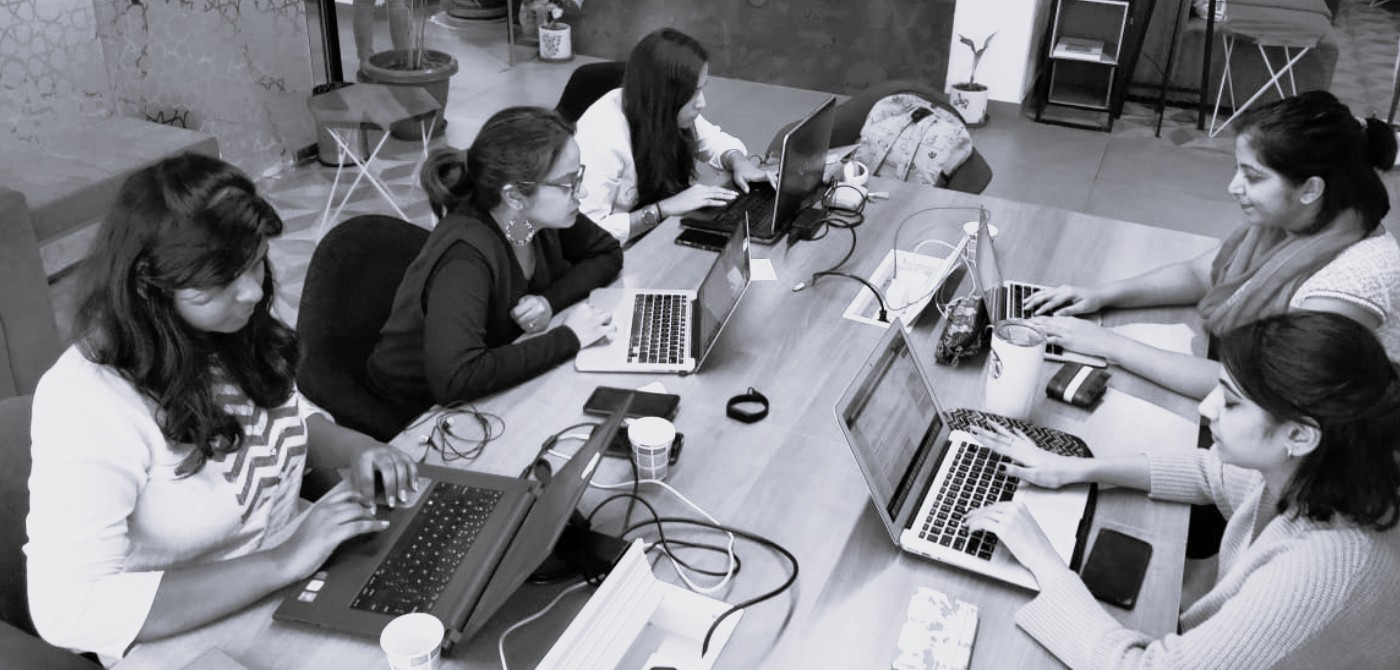
Working women today face the demanding task of balancing professional responsibilities, household duties and social commitments, often at the cost of their own health and well-being. As more women enter the workforce and take up leadership roles across different sectors, the pressure to perform both at work and at home continues to increase. Long working hours, workplace stress, inadequate sleep, irregular eating habits and limited opportunities for physical activity have become common challenges. While women contribute significantly to economic growth and family responsibilities, their physical and emotional well-being often receives less attention than it deserves.
Mental health is one of the major concerns affecting working women. Managing professional deadlines, workplace expectations, family responsibilities and personal commitments can create continuous psychological pressure. Over time, prolonged stress may contribute to anxiety, depression, emotional exhaustion and sleep disturbances. Women who are expected to manage multiple responsibilities without adequate support may find it difficult to maintain a healthy work-life balance. Reproductive stages, including pregnancy, childbirth and menopause, can also bring physical and emotional changes that require appropriate care. According to the World Health Organization, women are more likely than men to experience depression, while mental health conditions can affect an individual's relationships, workplace performance and overall quality of life. Despite growing awareness, many women hesitate to discuss their mental health concerns because of social stigma or fear of being judged.
Physical health is another area that requires attention, particularly among women employed in offices and other sedentary workplaces. Spending several hours sitting in front of computers can contribute to back pain, neck stiffness, shoulder discomfort and poor posture. Continuous screen exposure can also cause eye strain, headaches and visual discomfort. Inadequate movement during working hours may further increase the risk of lifestyle-related conditions. Women working in physically demanding jobs face a different set of challenges, including muscle fatigue, joint pain and exhaustion. Without sufficient rest and regular physical activity, these problems can gradually affect their productivity and quality of life.
Nutritional deficiencies are equally concerning, particularly among women who frequently skip meals because of busy schedules. Iron, vitamin B12, vitamin D and calcium deficiencies can affect energy levels, bone health and overall physical functioning. Iron deficiency is particularly important among women of reproductive age because of menstrual blood loss and increased nutritional requirements during pregnancy. Anaemia can cause persistent tiredness, weakness, dizziness and difficulty concentrating. Poor dietary habits, including excessive consumption of processed foods and insufficient intake of fruits, vegetables and protein, can further aggravate nutritional problems. In many cases, women prioritise preparing meals for their families while overlooking their own nutritional requirements.
Reproductive and maternal health also deserve greater attention in discussions about women's workplace wellness. Conditions such as polycystic ovary syndrome (PCOS), endometriosis, thyroid disorders and other hormonal or reproductive health problems can affect women's daily lives, fertility and ability to work comfortably. Workplace stress and unhealthy lifestyle patterns may influence reproductive health, although they are not the sole causes of fertility problems. Pregnancy and the postpartum period bring additional physical and emotional demands, making appropriate medical care, maternity benefits and workplace flexibility essential. Women should have access to supportive working environments that allow them to manage their health without compromising their professional opportunities.
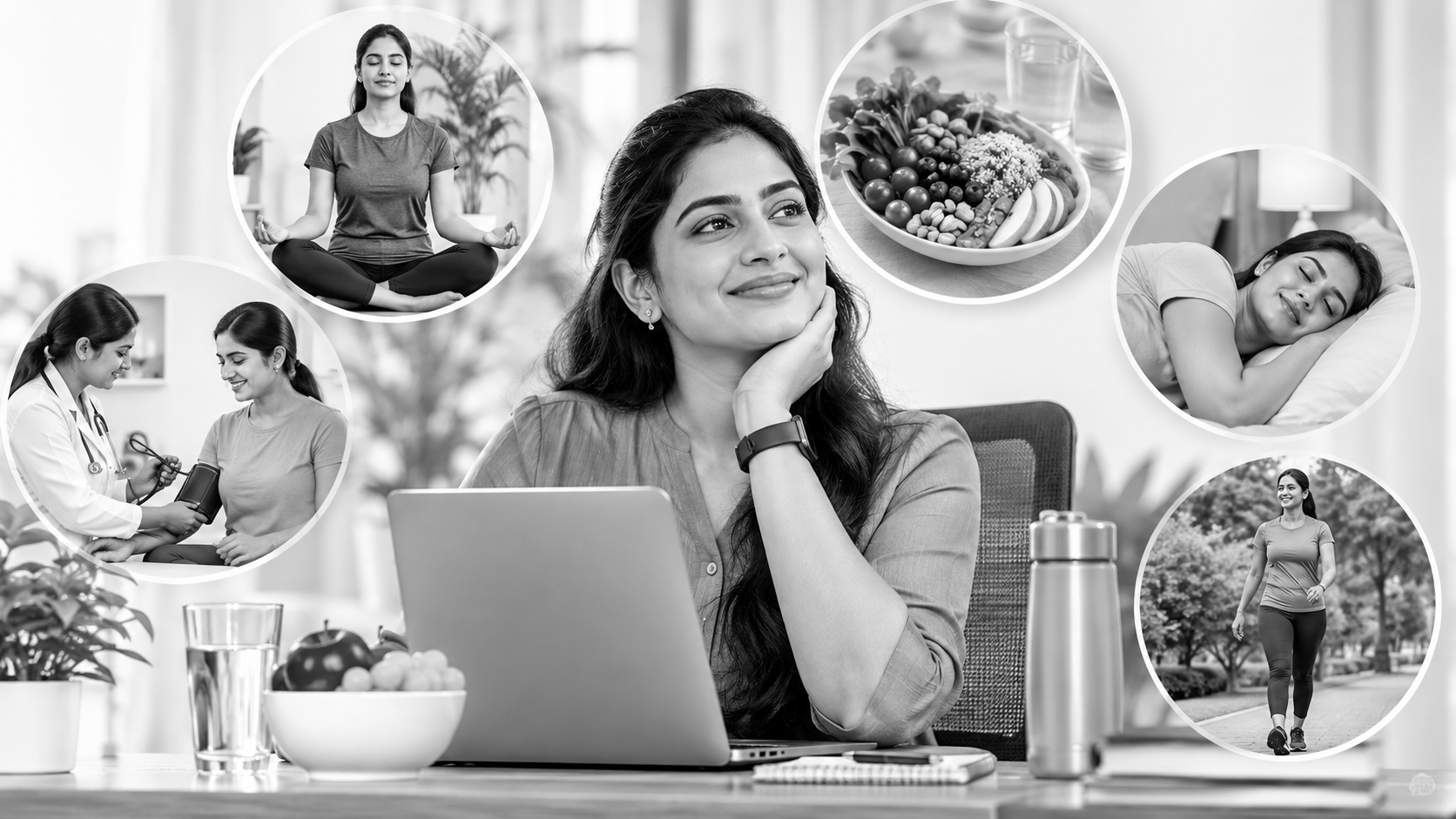
Nutrition plays a central role in preventing deficiencies and maintaining energy throughout the day. Including iron-rich foods such as green leafy vegetables, lentils, beans, dates and whole grains can help support healthy iron levels. Combining plant-based iron sources with vitamin C-rich foods such as oranges, lemons, tomatoes and guavas improves iron absorption. Foods containing folate, protein and other essential nutrients should also form part of a balanced diet. Eggs, milk, curd, sprouts, nuts, seeds and pulses provide valuable nutrients that support daily nutritional requirements. Women should avoid skipping breakfast and choose balanced meals that provide sustained energy rather than relying on packaged snacks and sugary beverages.
Hydration is another important aspect of maintaining good health. Drinking sufficient water throughout the day supports normal body functions and helps prevent dehydration, which can contribute to tiredness and headaches. Instead of depending on tea, coffee or sugary drinks, women can include water, buttermilk and other healthy beverages in their daily routine. Smart snacking can also make a difference during busy working hours. Fresh fruits, nuts, roasted chickpeas, seeds and yoghurt are healthier alternatives to fried snacks and processed foods. Maintaining regular meal timings and practising portion control can help women develop sustainable eating habits.
Physical activity should become an essential part of everyday life rather than something reserved for weekends. Brisk walking, cycling, yoga, swimming and strength-training exercises can improve cardiovascular health, muscle strength and emotional well-being. The World Health Organization recommends that adults undertake at least 150 minutes of moderate-intensity physical activity every week. Even women with demanding schedules can begin with short walking sessions and gradually increase their activity levels. Those working at desks should avoid remaining seated for prolonged periods and take brief breaks to stand, stretch or walk. Proper posture, comfortable footwear and suitable workplace arrangements can also reduce physical discomfort.
Mental wellness requires the same level of attention as physical health. Setting realistic expectations, learning to say no to unnecessary commitments and maintaining boundaries between professional and personal life can help reduce stress. Women should make time for activities that provide relaxation, including reading, listening to music, meditation, gardening or spending time with family and friends. Adequate sleep is equally important, with adults generally requiring seven to nine hours of sleep each night. Reducing screen exposure before bedtime, maintaining consistent sleeping hours and creating a comfortable sleeping environment can improve sleep quality. Women experiencing persistent anxiety, depression or emotional exhaustion should not hesitate to seek professional support from qualified counsellors or mental health specialists.
Regular medical check-ups and preventive screenings are essential for identifying health concerns at an early stage. Monitoring blood pressure, blood sugar and haemoglobin levels can help detect common health problems. Thyroid function, vitamin levels and other investigations should be considered based on individual symptoms, medical history and a doctor's advice rather than undertaken unnecessarily. Reproductive health examinations and cervical cancer screening should also be included in appropriate preventive healthcare routines. Breast cancer screening, including mammography, should be planned according to age, individual risk factors and medical guidance. Women approaching or experiencing menopause may also need an assessment of bone health, particularly when additional risk factors for osteoporosis are present.
Workplace environments have an important role in protecting women's health. Employers can support employees by providing ergonomic furniture, adequate lighting, clean drinking water, nutritious food options and accessible healthcare facilities. Flexible working arrangements, maternity support, adequate leave policies and access to counselling services can help women manage professional and personal responsibilities more effectively. A supportive workplace should also encourage open conversations about health concerns without discrimination or embarrassment. Families, too, must recognise that household responsibilities should be shared rather than placed predominantly on women. Emotional support and an equitable distribution of domestic work can significantly reduce the pressure women experience.
Ultimately, women's wellness cannot be treated as an individual responsibility alone. It requires a collective effort involving families, employers, healthcare professionals and society. A woman who is physically healthy, emotionally supported and adequately nourished is better equipped to pursue her ambitions and contribute to her family and workplace. As women continue to play an increasingly important role in the country's workforce and economic development, their health must become a priority rather than an afterthought. Creating an environment where women can work, grow and care for themselves without constantly compromising their well-being is essential. After all, empowering women begins not only with providing opportunities but also with ensuring that they have the health, support and resources to make the most of them.