
World Looks Away As Gazans Are Drenched As Camps Are Flooded, Children Shake In Waist-Deep Floods And Aid Is Blocked
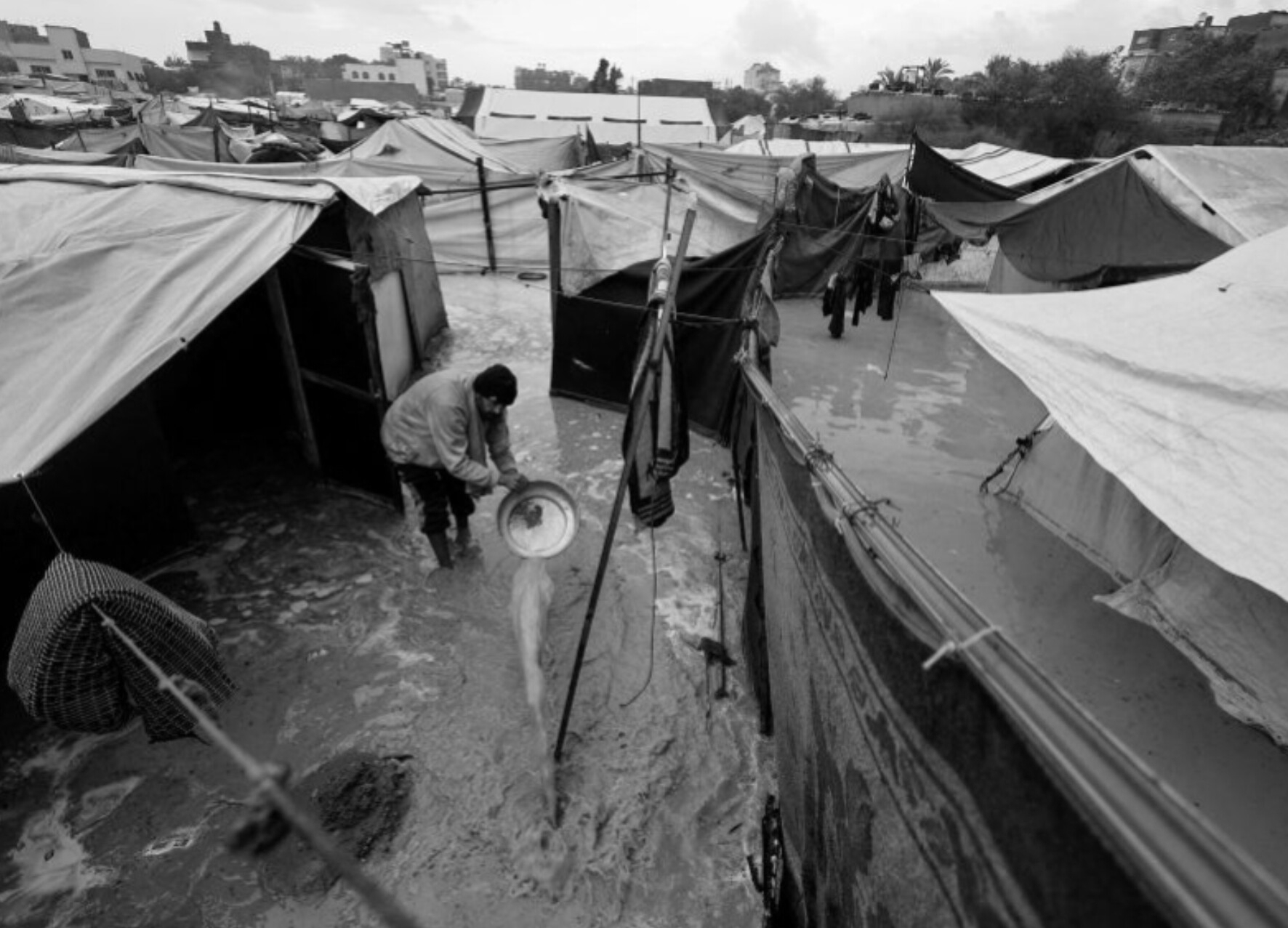
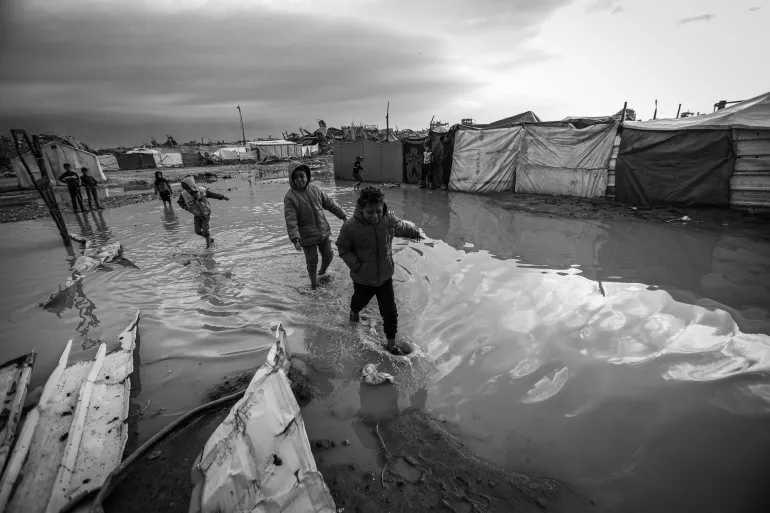
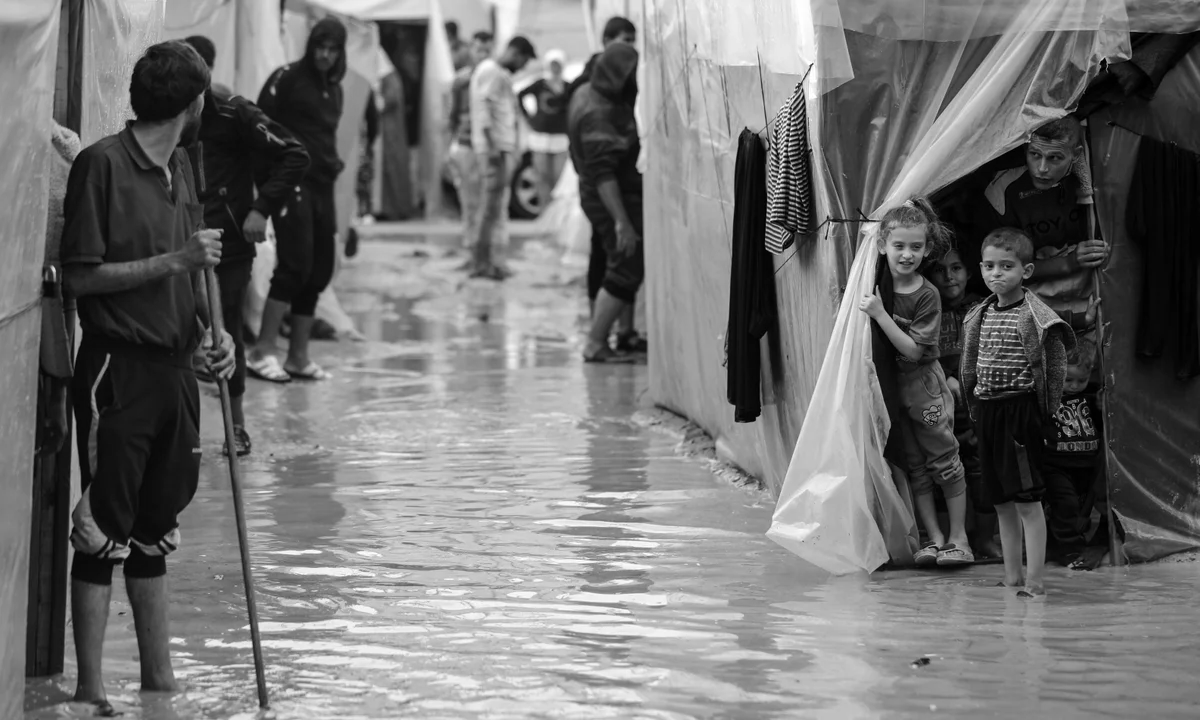
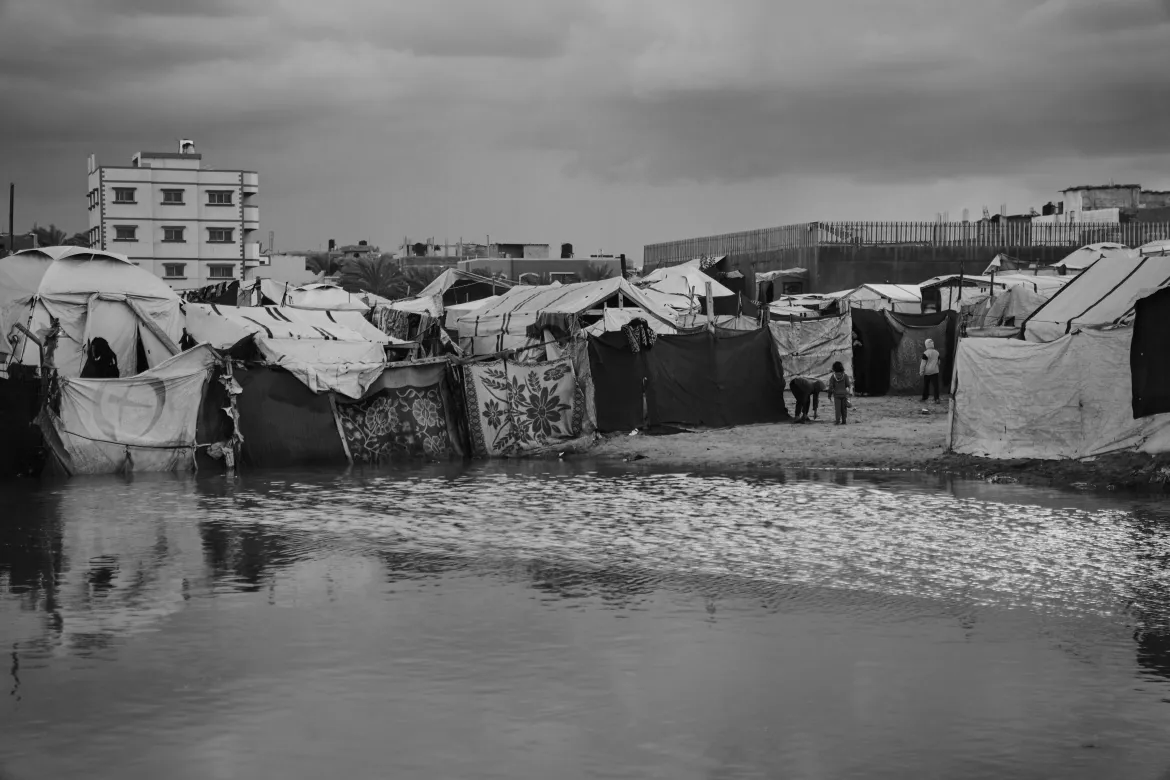
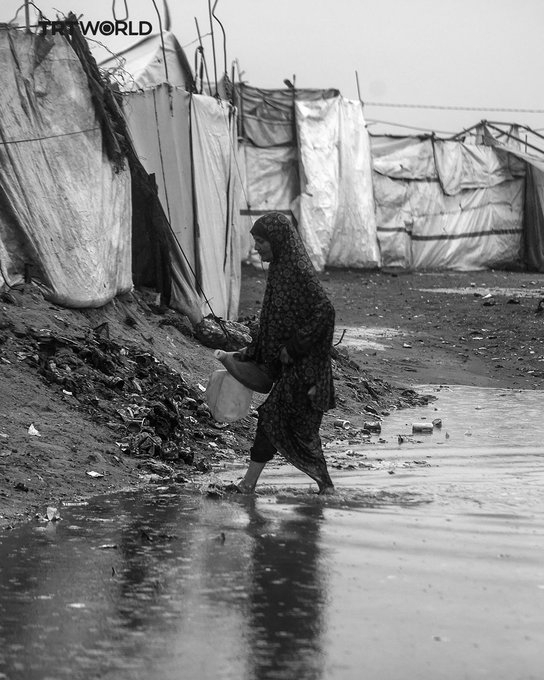
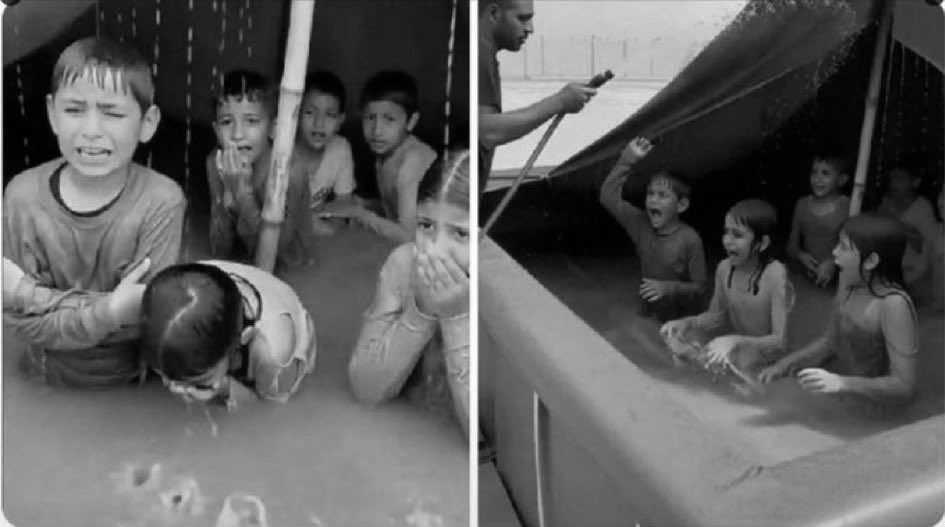
For millions, rain signals a change in weather. For displaced Palestinians in Gaza, it has become another threat to survival. As the first major winter storm swept across the war-ravaged territory, thousands of families watched their makeshift shelters disappear beneath muddy floodwater. Children shivered in soaked clothes, mothers desperately salvaged blankets and mattresses, and families searched for somewhere dry to sleep. After years of bombardment and displacement, even the arrival of winter has become a matter of life and death.
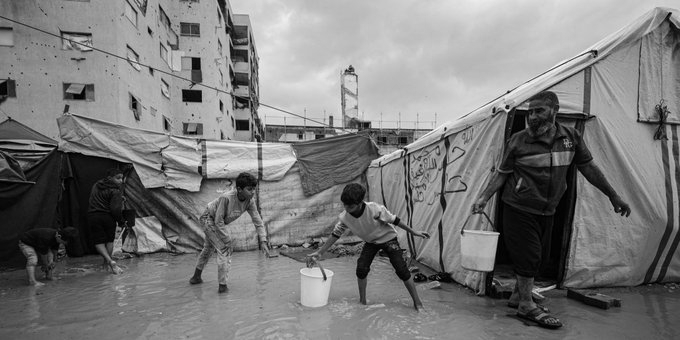
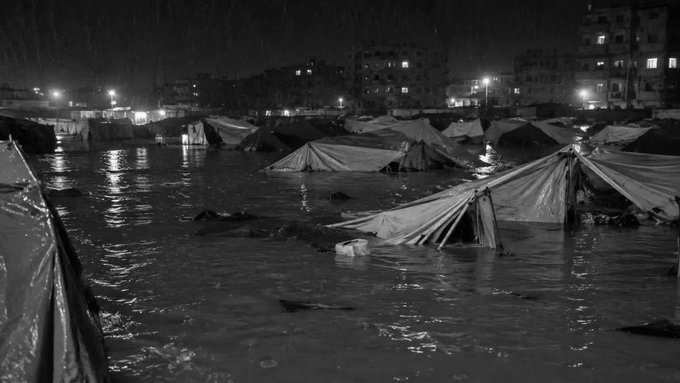
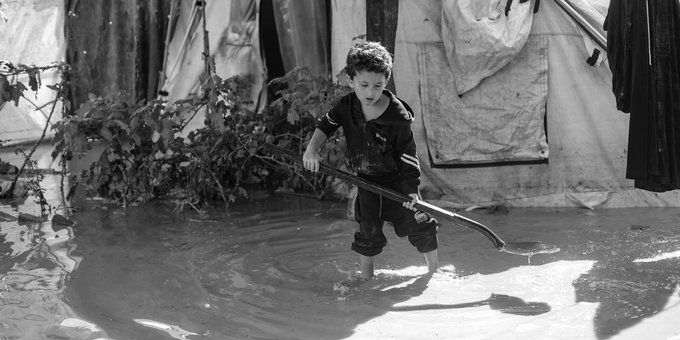
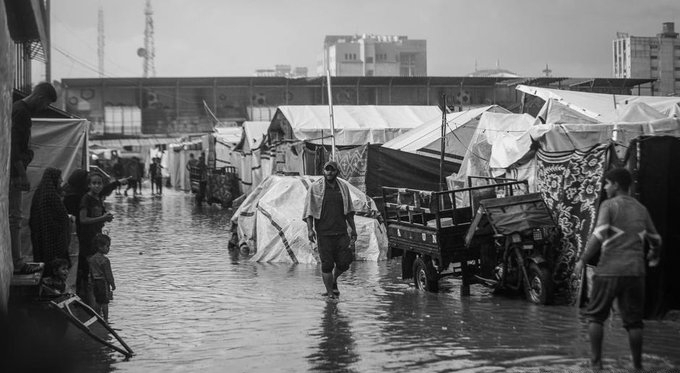
Beginning November 6, torrential rain and powerful winds battered displacement camps across Gaza. Within 12 hours, approximately 70,000 tents were flooded, affecting an estimated 350,000 people, including 210,000 children. In some areas, floodwater reached 1.5 metres. Families used buckets and their bare hands to remove water as strong winds ripped through plastic coverings. Mattresses, food, clothes and blankets were ruined, leaving children exposed to freezing conditions.
The disaster turned deadly on November 8, when a rain-soaked sand embankment collapsed onto tents sheltering displaced families. Five Palestinians, including three children and two women, were killed, while six others were injured. Residents desperately dug through sand and rubble using shovels and their bare hands to rescue those trapped. An infant was also reportedly drowned at a displacement site.
This was not simply a natural disaster. Families had been forced to shelter beneath unstable sandy embankments because safer accommodation was unavailable. Years of destruction have left much of Gaza's housing infrastructure in ruins, while reconstruction remains stalled despite the ceasefire. More than 2,000 damaged buildings are also considered at risk of collapse amid continued rainfall and strong winds.
Even rescue workers are struggling to reach those in danger. Gaza's Civil Defence received 2,166 emergency calls during the storm but managed to respond to only 218 because of shortages of fuel, heavy machinery and rescue equipment. Thousands were left waiting for assistance as floodwater continued to overwhelm camps.
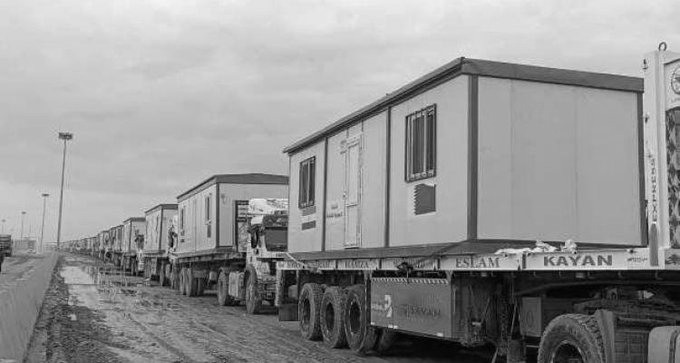
Perhaps the most disturbing aspect is that emergency supplies are waiting outside Gaza. More than 150,000 tents purchased by humanitarian organisations and member states are reportedly ready for delivery, while supplies inside the territory remain desperately inadequate. Aid agencies are demanding access for tents, blankets, tarpaulins, mobile homes, water pumps, vacuum trucks and heavy machinery.
The consequences extend beyond damaged shelters. Floodwater mixing with sewage threatens outbreaks of waterborne diseases. At least 55 learning spaces serving approximately 55,000 children have been affected, disrupting education once again. Save the Children estimates that more than 560,000 children are living in critical or catastrophic shelter conditions.
Humanitarian organisations have repeatedly criticised Israeli restrictions on the entry of shelter materials, construction equipment and other essential supplies, warning that they are preventing families from preparing for winter. Israel maintains that it facilitates humanitarian assistance while citing security concerns over certain materials. However, thousands of families remain without adequate protection from the elements.
A ceasefire was supposed to give Gaza a chance to recover. Instead, families are still fighting for the most basic necessities: a roof, a dry blanket and a safe place for their children to sleep. The world has watched Gaza's homes collapse under bombs. Now, even rain is destroying the shelters that remain. And as another winter approaches, children are left shivering while the supplies that could protect them remain beyond their reach.