
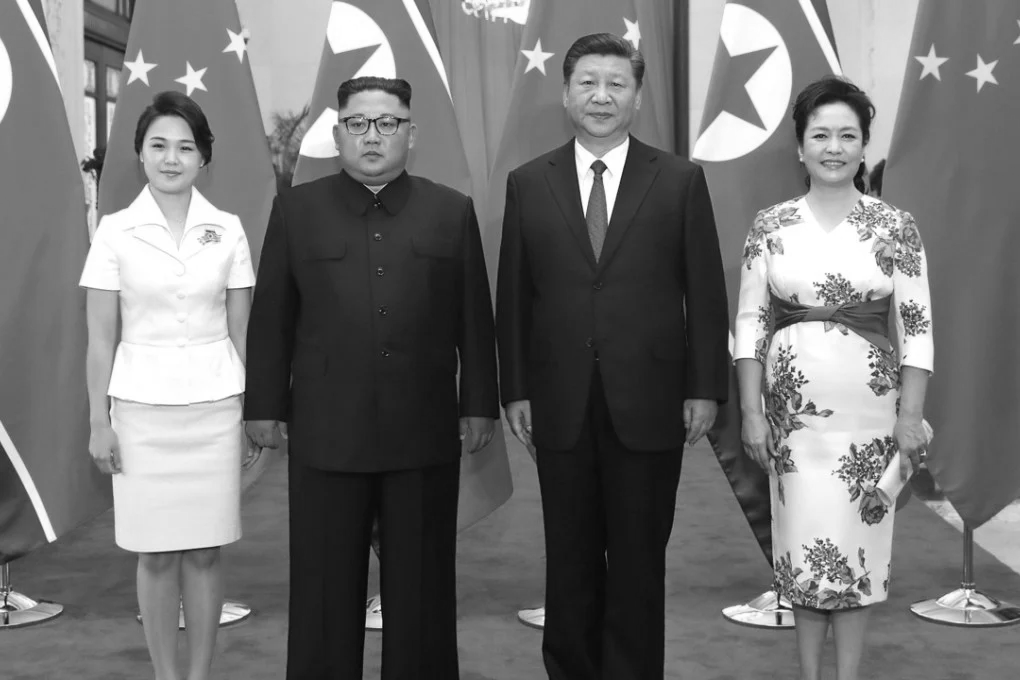
Xi Jinping Arrives in North Korea for First Visit in Seven Years as China Moves to Counter Kim's Russia Tilt
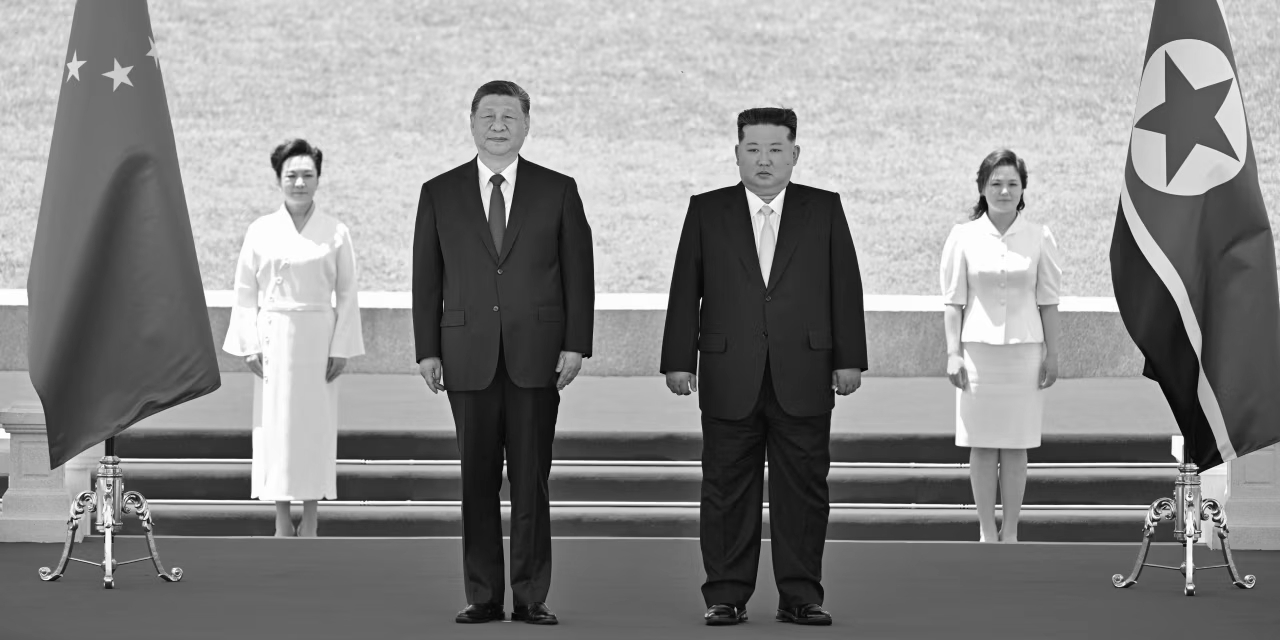
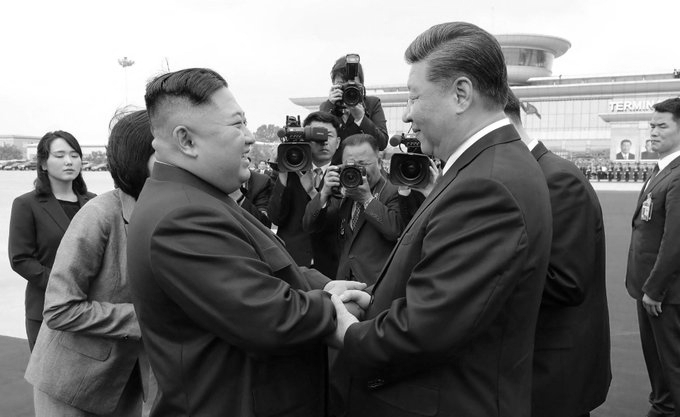
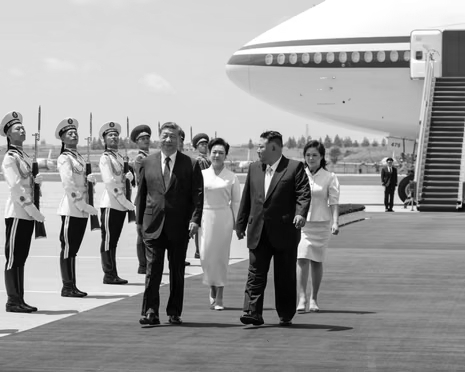
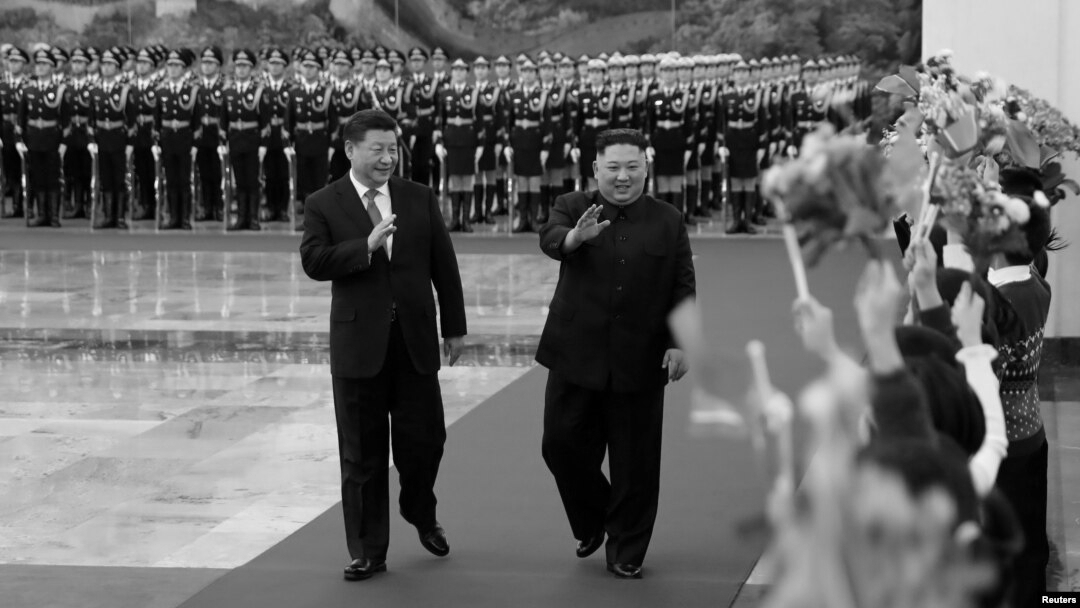
Chinese President Xi Jinping has arrived in Pyongyang for a rare state visit to North Korea, touching down to a lavish welcome as carefully choreographed crowds waved flowers and flags at the capital's main square. The visit, playing out on June 8 and 9, is more than just diplomatic theatre. It is a calculated power move in one of the most consequential geopolitical triangles on earth.
This is Xi's first overseas trip of 2026 , and it comes just weeks after he separately hosted both Russian President Vladimir Putin and US President Donald Trump in Beijing. The timing plays directly to Beijing's efforts to cast China as a versatile, global power broker at a moment of intense geopolitical flux. In other words, the world's biggest diplomatic ringmaster has now made his most telling move yet.
The core anxiety driving this visit is straightforward. Kim Jong Un has reached out to Russia in recent years, notably by sending troops and conventional weapons to support Moscow's war in Ukraine , pulling Pyongyang steadily into Russia's orbit. Beijing, watching this drift with barely concealed alarm, needed to act. China has never quite accepted North Korea's nuclear status and worries deeply about losing influence in the country to Russia . Behind the scenes, despite warm optics, relations between Beijing and Pyongyang are often tense.
At the summit, Xi called for injecting "powerful momentum" into bilateral ties and declared China ready to expand cooperation across economics, trade, agriculture, health, and science and technology. He also stated that "no matter how the international situation changes," China's position of highly valuing the traditional friendship between the two countries remains firm.
The visit's timing carries an unmistakable edge. Just days before Xi landed, North Korean state media released photos of Kim personally touring a new "weapons-grade nuclear materials" factory , one designed to expand Pyongyang's nuclear capability at an "exponential rate." Whether that was a flex at Washington or a negotiating chip dangled before Beijing remains the most uncomfortable question in the room.
Some analysts believe Xi may be carrying a quiet message from Trump , who has signalled willingness to resume diplomacy with Kim. North Korea has made its precondition blunt: Washington must first drop the denuclearization demand before any talks begin. After last month's Trump-Xi summit, the White House said the two leaders confirmed their shared goal to denuclearize North Korea , but China only said they discussed the nuclear issue, a telling gap in language.
The visit also coincides with the 65th anniversary of the China-North Korea mutual defense treaty of 1961 , Beijing's only formal military alliance, adding symbolic weight to what is already a deeply loaded summit.
South Korea has expressed cautious concern* , urging China to use its influence to promote denuclearization, while *Japan has warned* that any relaxation of sanctions would be a serious setback for global non-proliferation efforts. Seoul's Ministry of Foreign Affairs said it hopes Xi's visit will *"play a constructive role in addressing issues related to the Korean Peninsula."
As analyst William Yang of Crisis Group put it, "The fact that Xi has decided to make his first overseas trip of 2026 to North Korea reflects the level of significance that Beijing attaches to the attempt to shore up ties." Beijing knows it cannot afford to lose Kim to Moscow's embrace entirely. Whether Xi succeeds in pulling him back is the question that will define this summit's place in history.