
Xi Jinping’s tech-driven strategy faces reality as national congress opens amid crisis
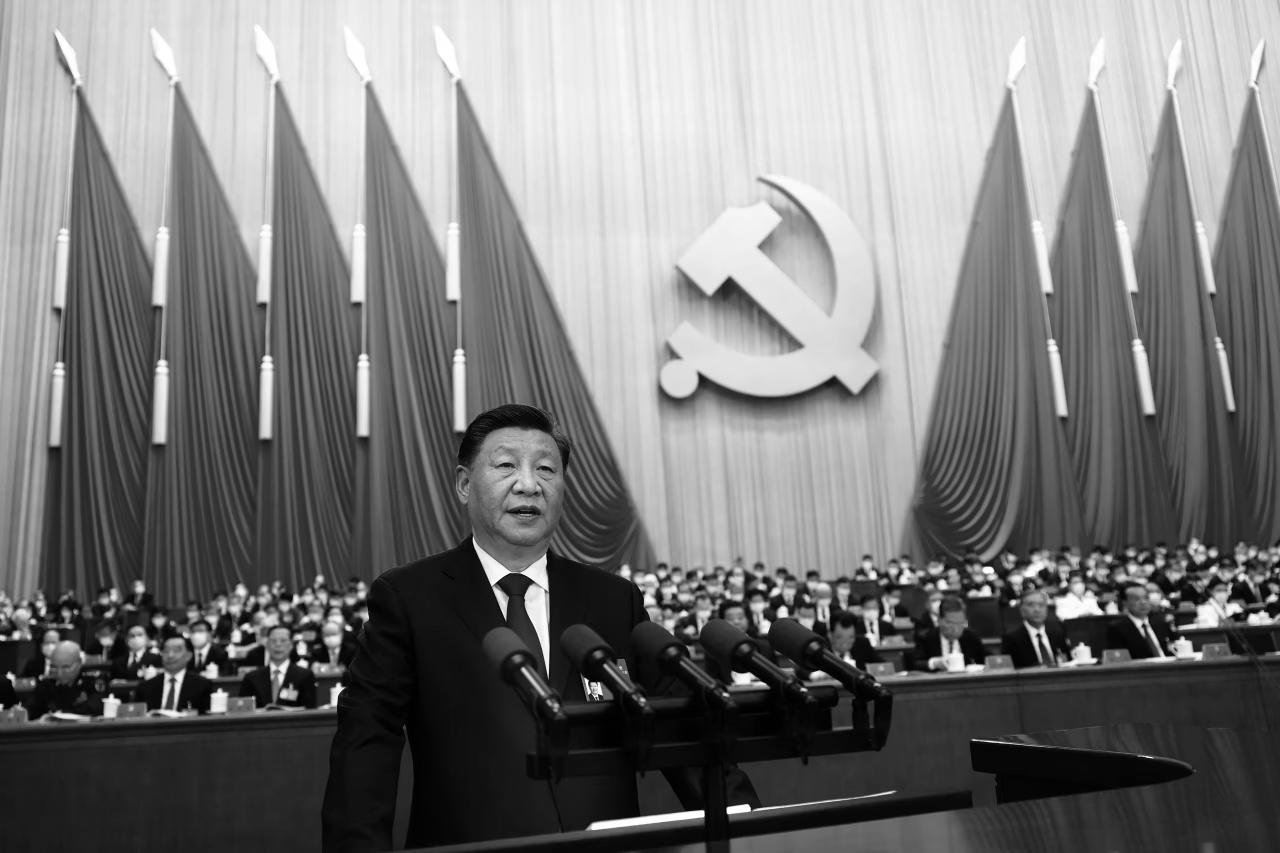
China’s National People’s Congress opened this week in Beijing — a choreographed pageant of 3,000 rubber-stamp delegates voting near-unanimously on decisions already made by Xi Jinping and his inner circle. The spectacle conceals a deepening economic crisis .
Beijing claims around 5% GDP growth for 2025, yet the economy grew just 4% last year, the slowest since 1976 outside of the pandemic. The GDP deflator fell for the third consecutive year, highlighting chronic excess supply and weak demand. Former premier Li Keqiang once called GDP figures “man-made,” while independent analysts at Rhodium Group estimate real 2024 growth at 2.4–2.8%, far below the official headline.
Exports are propping up growth, with a record $1.2 trillion trade surplus fueled by state-subsidized EVs, solar panels, and electronics. The IMF warns that these subsidies create overcapacity and hurt foreign competitors. Meanwhile, the housing collapse that began years ago has wiped 20% or more off home values since 2021, suppressing consumer spending.
Youth unemployment hit 16.5% in December 2025, with 12.7 million new graduates entering the job market. Many embrace tang ping — “lying flat” — rejecting the punishing 996 work culture. Authorities have launched censorship campaigns against influencers claiming “hard work is pointless.”
Xi’s tech-first strategy is unlikely to solve these problems, as robotics and AI supply chains generate far fewer jobs than past construction booms. Politically, Xi, now 72, has purged nine top military officers to ensure loyalty. Analysts predict Beijing will set a lower growth target of 4.5–5% for 2026, signaling that sustaining 5% without stimulus is unrealistic. The five-year plan through 2030 emphasizes tech dominance , but most ordinary Chinese may continue waiting to feel its benefits.