
Yashwant Varma Case Puts India’s Judicial Accountability System Under the Lens
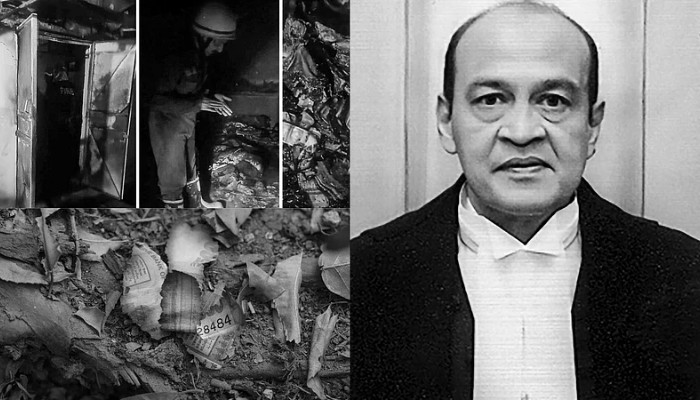
Justice Yashwant Varma case puts India’s judicial accountability framework under a sharper lens, after a Lok Sabha-appointed panel found the charges against him proved. The committee concluded that he failed to satisfactorily explain cash found at his official residence, while evidence was not properly preserved and his explanations were evasive.
The episode highlights a structural weakness in the impeachment process. Resignation can effectively overtake removal proceedings, leaving Parliament without the practical ability to remove a judge even after an inquiry reaches adverse conclusions. Varma resigned in April, bringing the removal process into question before Parliament could decide his fate.
That creates a difficult accountability dilemma. Judicial independence requires a high threshold for removal so judges are protected from political pressure. Yet accountability loses credibility if a judge can exit office before proceedings conclude, potentially leaving questions of misconduct unresolved. The case could therefore renew calls for a mechanism allowing an inquiry to complete and record findings even after resignation, without converting parliamentary proceedings into criminal trials.
The distinction between judicial discipline and criminal liability is equally important. The Supreme Court’s August 7 dismissal of a plea seeking an FIR did not itself establish permanent immunity from criminal investigation. It rejected that particular petition.
The case also puts the collegium system under renewed scrutiny. The controversy does not, by itself, prove that the collegium failed in Varma’s appointment or that an alternative system would work better. But it raises questions about how effectively judicial appointments, elevations, transfers and integrity concerns are assessed.
The larger lesson is that independence and accountability must reinforce, not undermine, each other. Stronger background scrutiny, clearer timelines, transparent procedural safeguards and a credible post-resignation accountability mechanism could strengthen public confidence without exposing judges to political retaliation.
Ultimately, the Varma episode is less about one judge than about whether India can build a judicial accountability system that protects decisional independence while ensuring that credible allegations receive a final, transparent and consequential institutional response and fairness.