
Zambia Votes As Incumbent Hakainde Hichilema Seeks Second Term
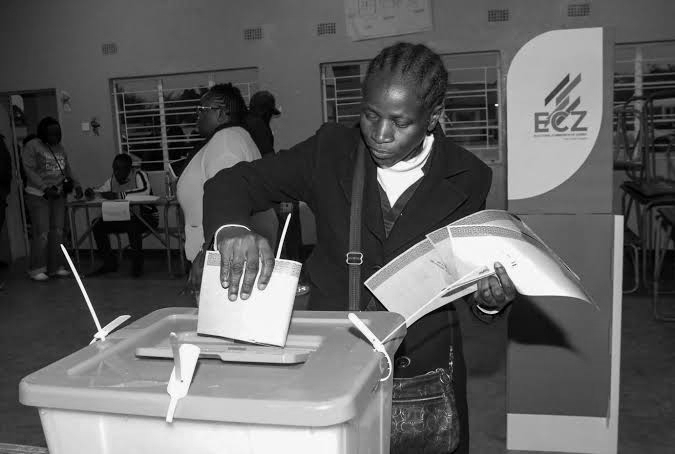
Zambians began voting Thursday in a presidential election that will test whether incumbent President Hakainde Hichilema’s economic reforms have improved daily life as he seeks a second term.
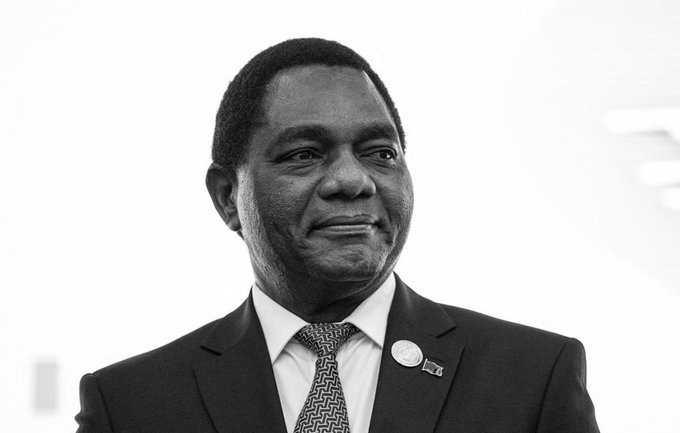
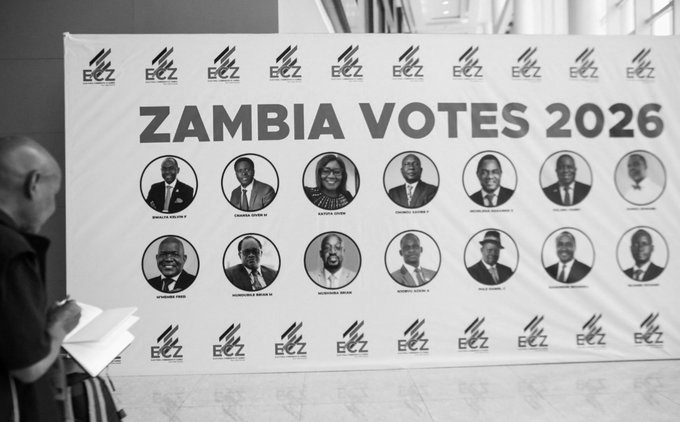
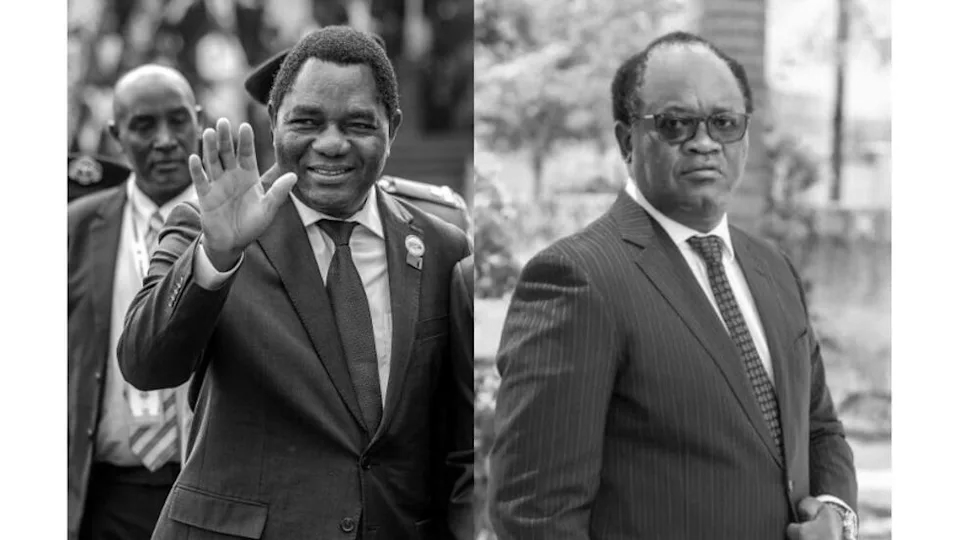
Hichilema is one of 14 presidential candidates in the race. He became president in 2021 after defeating Edgar Lungu and is now seeking another five years in office. He is widely seen as the favourite because of his advantage as the incumbent and a divided opposition. His main challenger is Brian Mundubile, who is backed by the Tonse Alliance.
Nearly 8.8 million voters are registered. They are also choosing lawmakers and local government representatives. A candidate needs more than 50 per cent of the presidential vote to win outright. If no one reaches that mark, a runoff will be held within 37 days. Results are expected by Monday.
The election is a test of Hichilema’s economic record. Zambia defaulted on its foreign debt in 2020, before he took office. His government has since overseen major debt restructuring and attracted investment. The IMF expects the economy to grow 4.3 per cent in 2026. His administration has also restored student meal allowances and expanded free education, helping him build support among young voters.
Yet many voters say the recovery has not reached their homes. Food prices, unemployment and power shortages remain major concerns. Opposition groups have also accused the government of using state institutions against political rivals. Hichilema’s administration denies the allegations. Police increased security ahead of the vote and warned against violence and election related disruptions.
The election also matters far beyond Zambia. China is a major investor with extensive mining interests, while the United States wants a greater role in securing critical minerals and reducing dependence on China. Hichilema has sought investment from both sides as he pushes to raise copper output to 3 million metric tonnes a year by 2031.
Zambia’s copper wealth has made the country increasingly important in the global race for minerals used in electric vehicles, power systems and other industries.