
Zomato Cracks Down on Analogue Dairy: What the New Rule Means for Restaurants and Diners
Zomato’s zero-tolerance policy on analogue dairy products marks a shift in how restaurants must manage ingredients, menu descriptions and supplier checks on the food-delivery platform.
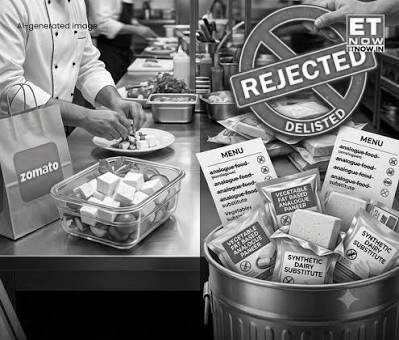
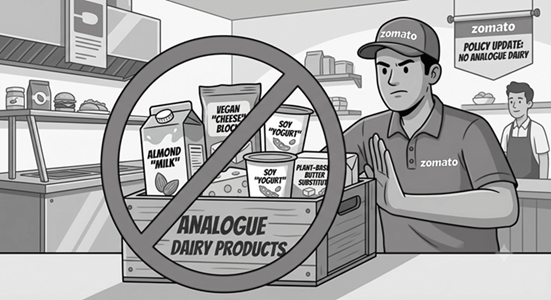
Effective immediately, Zomato has delisted dishes that restaurant partners have declared as containing analogue cheese, analogue paneer or other analogue dairy products. Restaurants have been asked to switch to natural dairy products. Where that is not immediately feasible, they must remove affected dishes from their menus.
The move follows heightened scrutiny of food safety and labelling, including recent enforcement activity by food authorities. FSSAI’s regulatory approach distinguishes dairy products from analogues made partly or wholly with non-milk ingredients. The key consumer-protection issue is accurate representation: an analogue should not be presented as genuine paneer, cheese or another defined dairy product.
For restaurants, the policy creates a compliance checklist. Partners must review their menus and ingredient declarations, identify dishes containing analogue dairy and ensure that online listings accurately reflect what customers receive. They must also examine supplier labels and ingredient declarations to verify the composition of products purchased for kitchen use.
This makes supplier verification important. Restaurants may need to strengthen procurement records, check product documentation and confirm that ingredients marketed as dairy products actually meet the required description. A mismatch between supplier information, kitchen usage and the Zomato listing could create compliance risks.
The financial and operational impact could also be significant. Replacing cheaper analogue ingredients with natural dairy may increase input costs and require recipe or menu changes. Removing popular dishes could affect sales, while auditing suppliers and updating listings adds administrative work.
The strongest consequence is possible delisting. Zomato has said restaurants that remain non-compliant may be removed from the platform, apart from any other action available under its policies and applicable law. The company also reserves the right to recover losses, costs or damages arising from non-compliant products delivered to customers.Ultimately, the policy makes food authenticity a platform-level requirement, strengthening transparency while pushing restaurants towards clearer sourcing, accurate menus and accountability.